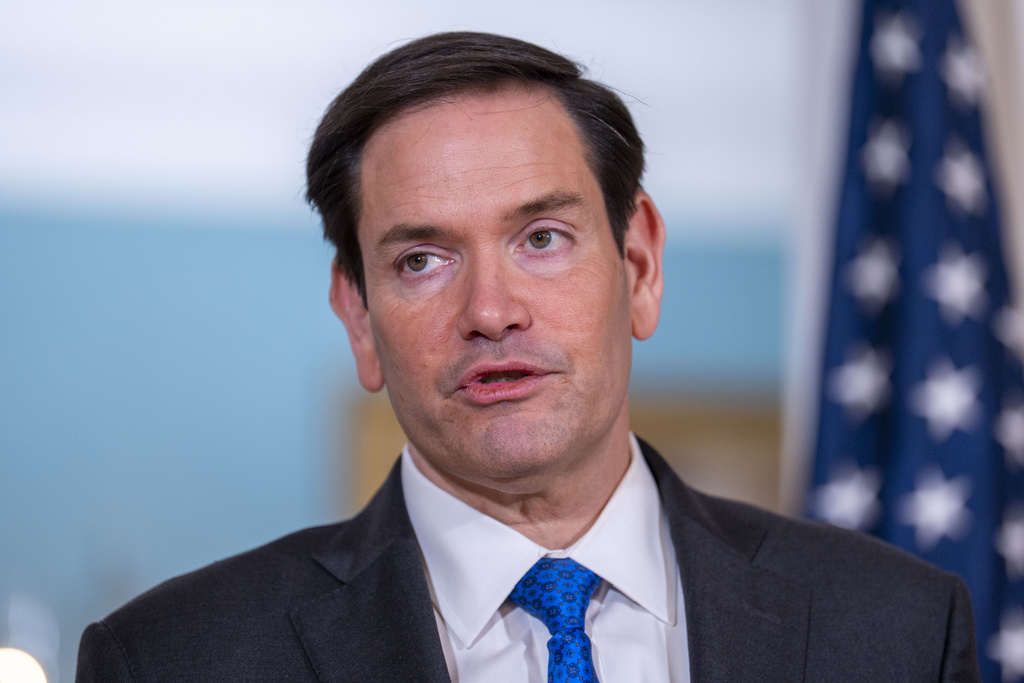
Rubio rejects Iran ceasefire proposal over Tehran’s demand to control Strait of Hormuz
Negotiations between Washington and Tehran have stalled over the issue of the Strait of Hormuz, as the United States maintains a naval blockade.


Negotiations between Washington and Tehran have stalled over the issue of the Strait of Hormuz, as the United States maintains a naval blockade.
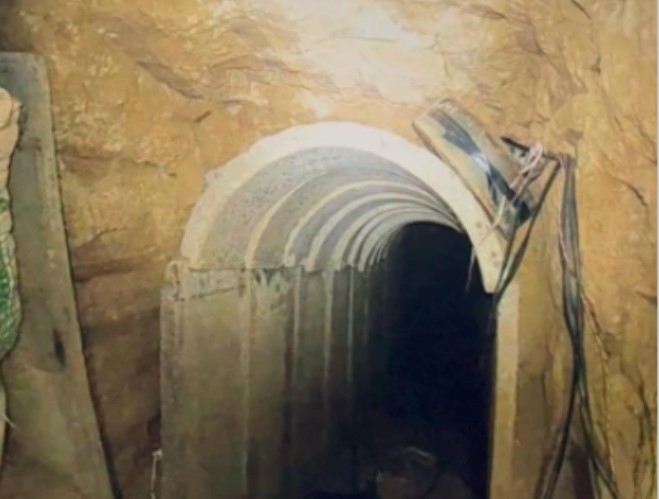
The IDF found evidence that Hamas used the tunnels under the Gaza European Hospital to hold hostages taken during the attack, all while Hamawy worked in the facility above.
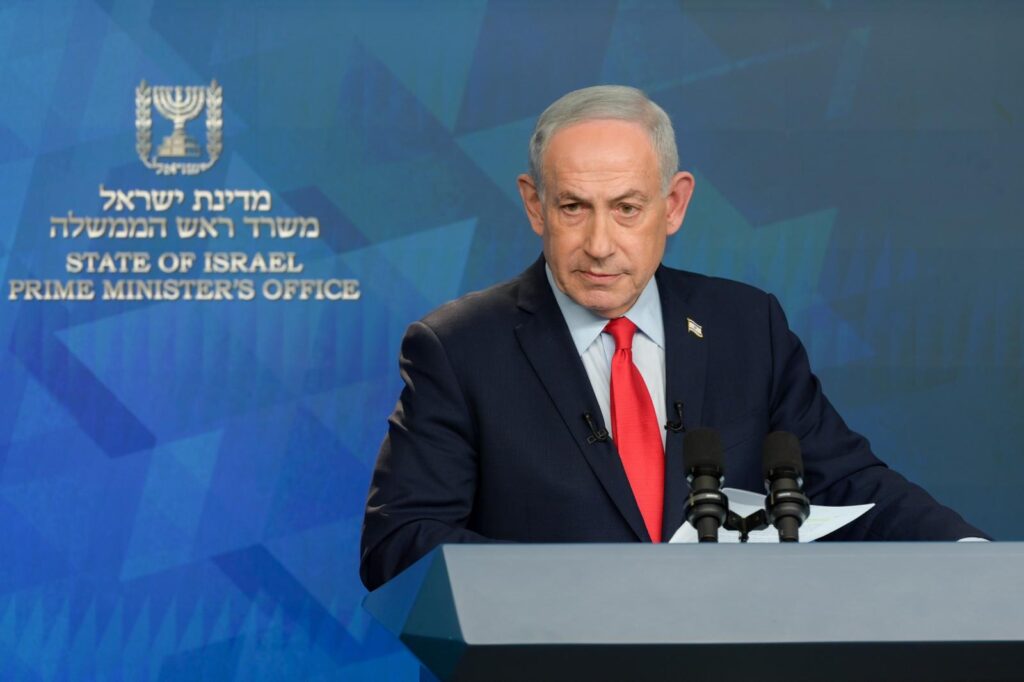
Iranian Parliament Speaker Mohammad Bagher Ghalibaf has reportedly stepped down as the regime’s lead negotiator amid internal divisions, including regarding the nuclear program.
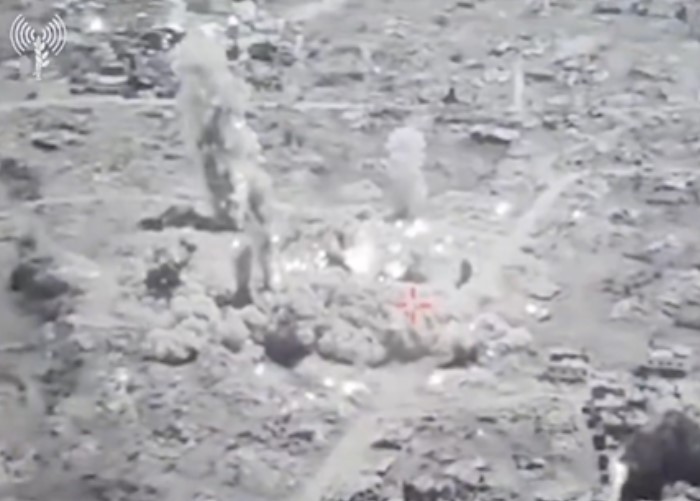
Israeli forces have destroyed roughly 14 kilometers of underground tunnels—uncovering sleeping quarters and weapons caches—while eliminating approximately 70 terrorists who violated the ceasefire and threatened troops.
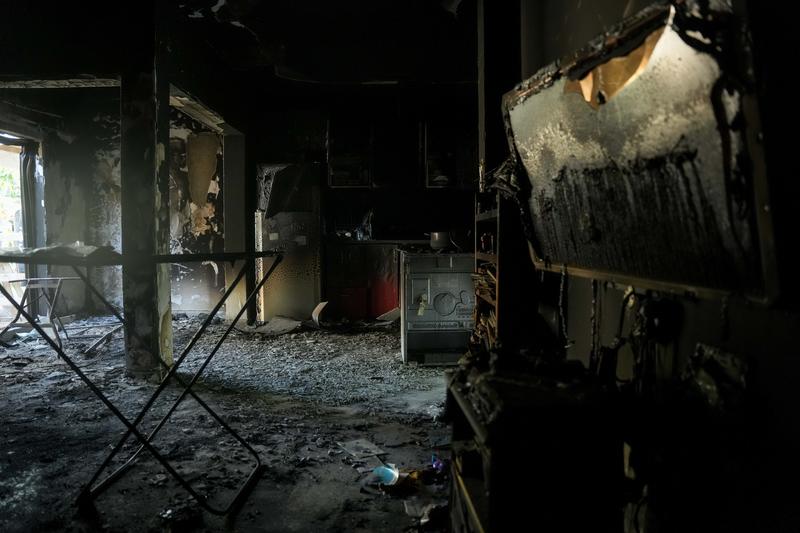
Residents described carrying out rescue operations under fire, defending homes and neighbors, and in some cases confronting terrorists directly.
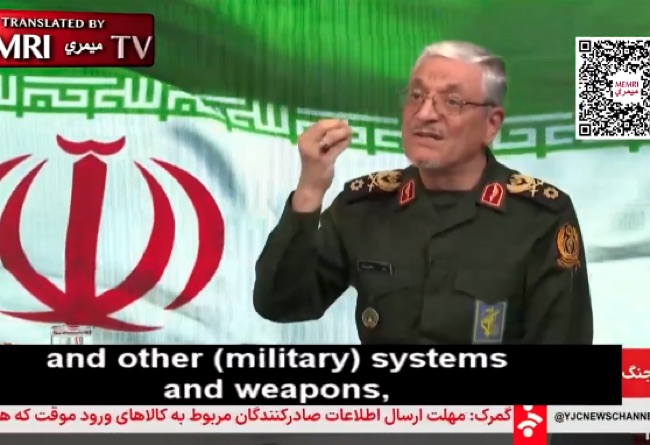
Deputy Defense Minister and IRGC General Reza Talaei-Nik stated that the regime’s ability to produce weaponry remains intact and that its facilities are both hidden and in plain sight.
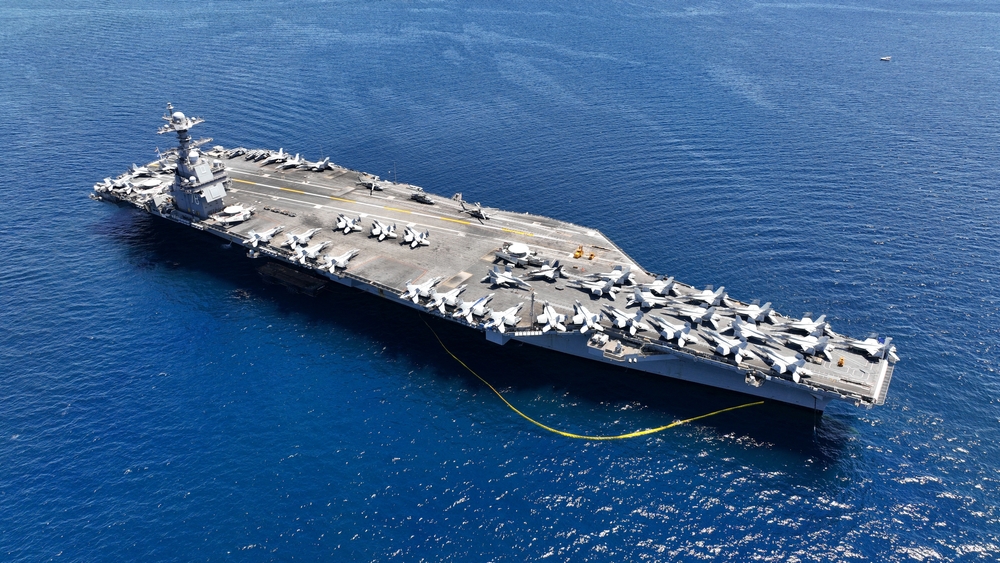
A fully enforced blockade—one that genuinely halts Iranian exports—likely would trigger a sharp price spike, a risk few major economies are willing to absorb amid ongoing geopolitical instability.
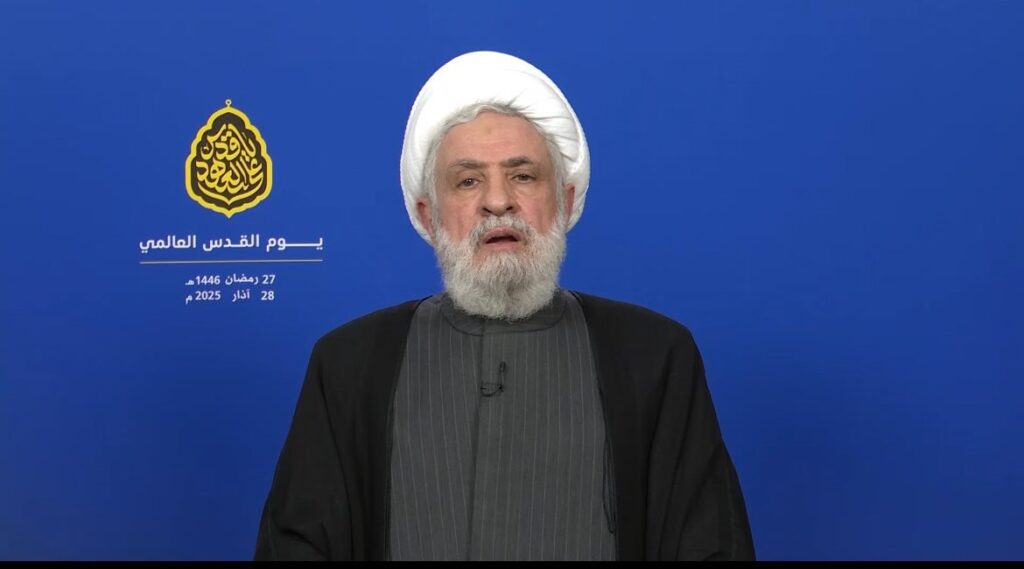
‘Direct negotiations and their outcomes are as if they do not exist for us, and they do not concern us in the slightest,’ the top terrorist declared.

Kerr also broadened his criticism to the United States, arguing that ‘we’re as weak as we’ve ever been as a country, at least in a long time, because our leadership is so misguided.’
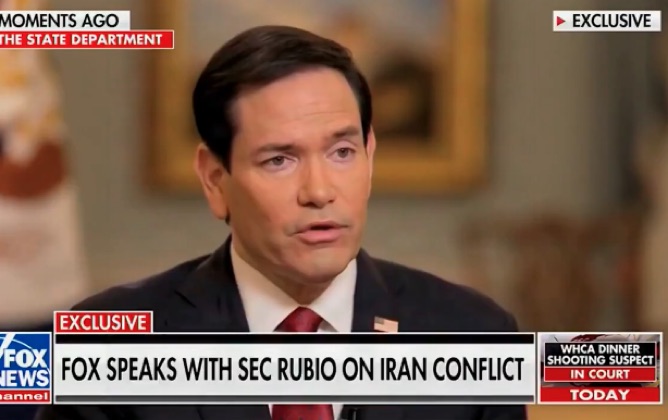
Secretary of State Marco Rubio said the U.S. will neither tolerate nor normalize a terror regime like Iran controlling an international waterway—imposing tolls and dictating who gets to pass through it.