
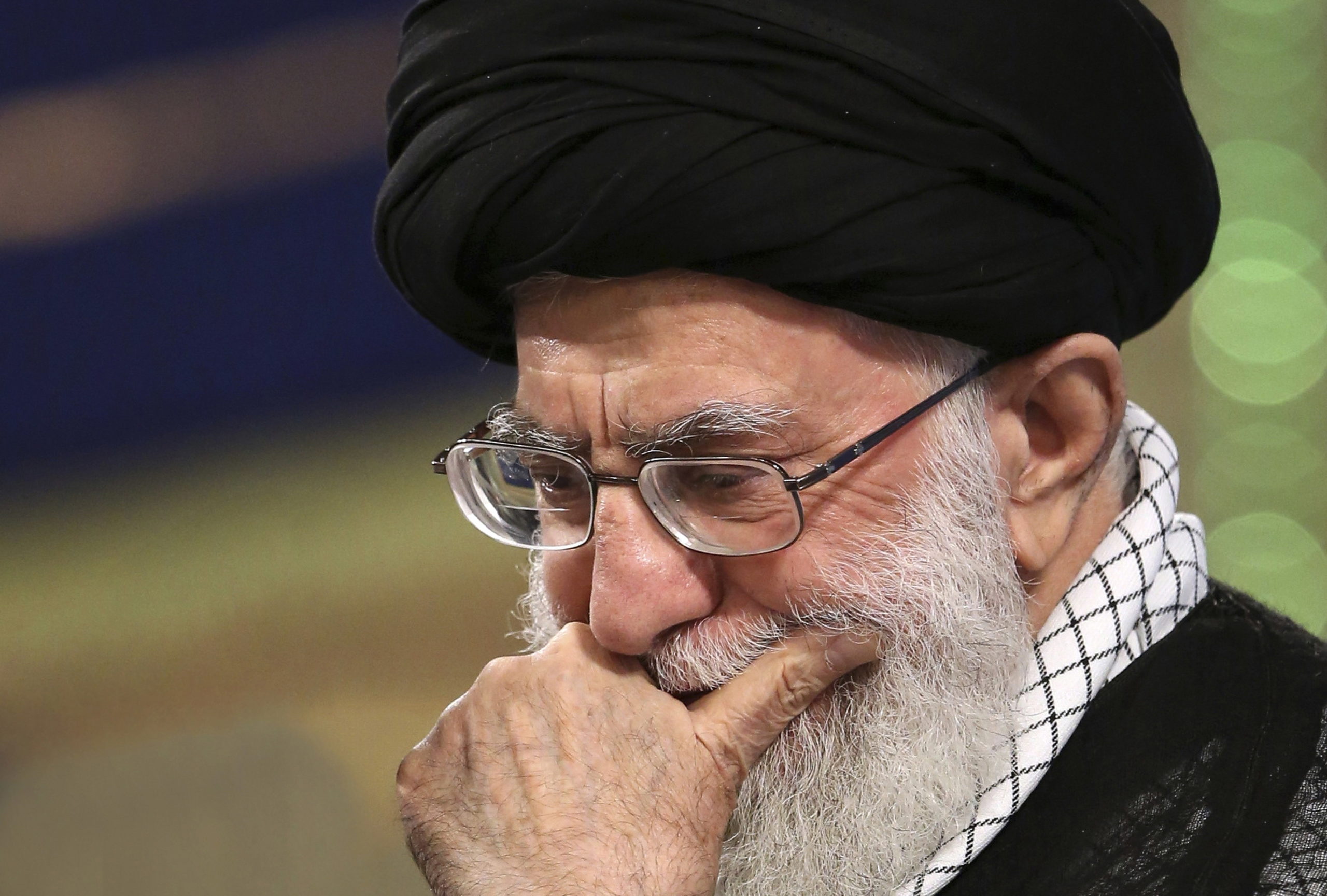
Israeli Prime Minister Benjamin Netanyahu and senior officials from Israel’s security establishment were presented with a photograph purportedly showing Khamenei’s body.
By Vered Weiss, World Israel News
Israeli Prime Minister Benjamin Netanyahu was shown evidence indicating that Iran’s Supreme Leader Ali Khamenei was killed in joint Israeli-US strikes on Tehran earlier on Saturday, according to a report by N12.
The report said Israeli Prime Minister Benjamin Netanyahu and senior officials from Israel’s security establishment were presented with a photograph purportedly showing Khamenei’s body.
Separately, Israel’s public broadcaster Kan reported that Khamenei’s body had been located.
Earlier, video showed strikes on the longstanding residence of Khamenei, a compound that for years functioned as a central decision-making hub of Iran’s regime.
From the site, Khamenei frequently delivered statements on domestic and international affairs, often condemning what he described as Iran’s enemies. Because of its symbolic role, the attack was widely viewed as a significant political signal inside Iran.
Israeli assessments cited in the reports said the strikes were carried out during daylight hours based on the assumption that Khamenei would feel less vulnerable at that time.
According to Israel, the stated aim of the strikes is to weaken Iran’s leadership and create conditions for political change, though officials acknowledged that further developments would depend on internal dynamics and public reaction within Iran.
Reports also indicated that additional Iranian leaders and senior officials may have been targeted or remain at risk.
Iran’s Minister of Defense Amir Nasirzadeh and Islamic Revolutionary Guard Corps commander Mohammad Pakpour were said by some reports to have possibly been killed. Israeli authorities emphasized that there has been no official confirmation of those claims.
Iranian Foreign Minister Abbas Araghchi told NBC News that, based on his information, Khamenei is alive.
Araghchi acknowledged that some commanders may have died in the strikes but said most officials survived. He also dismissed assertions that the attacks would lead to regime change, calling such claims unrealistic.